 Dr. Sachin Arora
Our Blogs
Explore our latest articles on relationships, lifestyle, mental health, and more
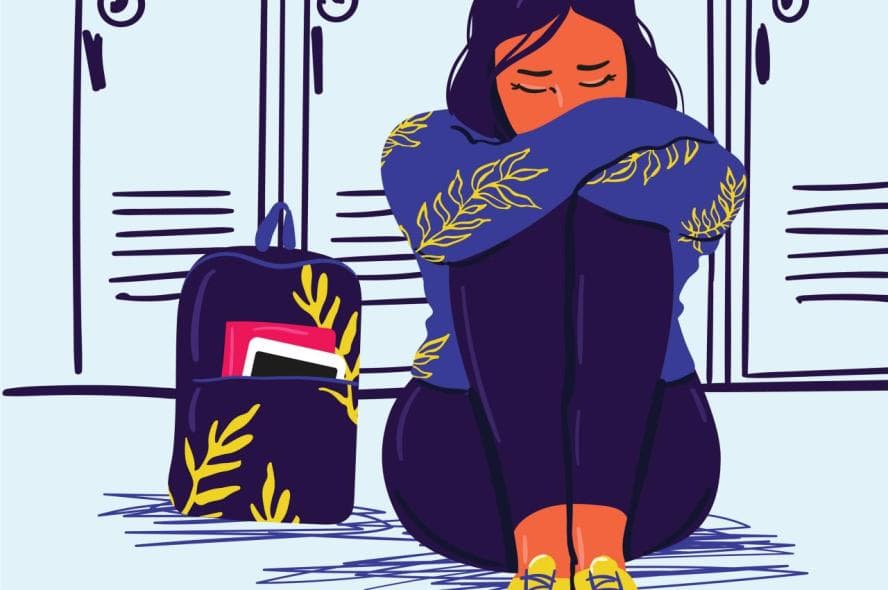
How to Cope with Psychiatric Issues in Adolescents and Teenagers: A Guide for Parents and Caregivers
Adolescence is a defining phase in life—a period of self-discovery, adventure, and forming lifelong memories. However, it is also a time of immense emotional turbulence, societal expectations, and internal conflicts....
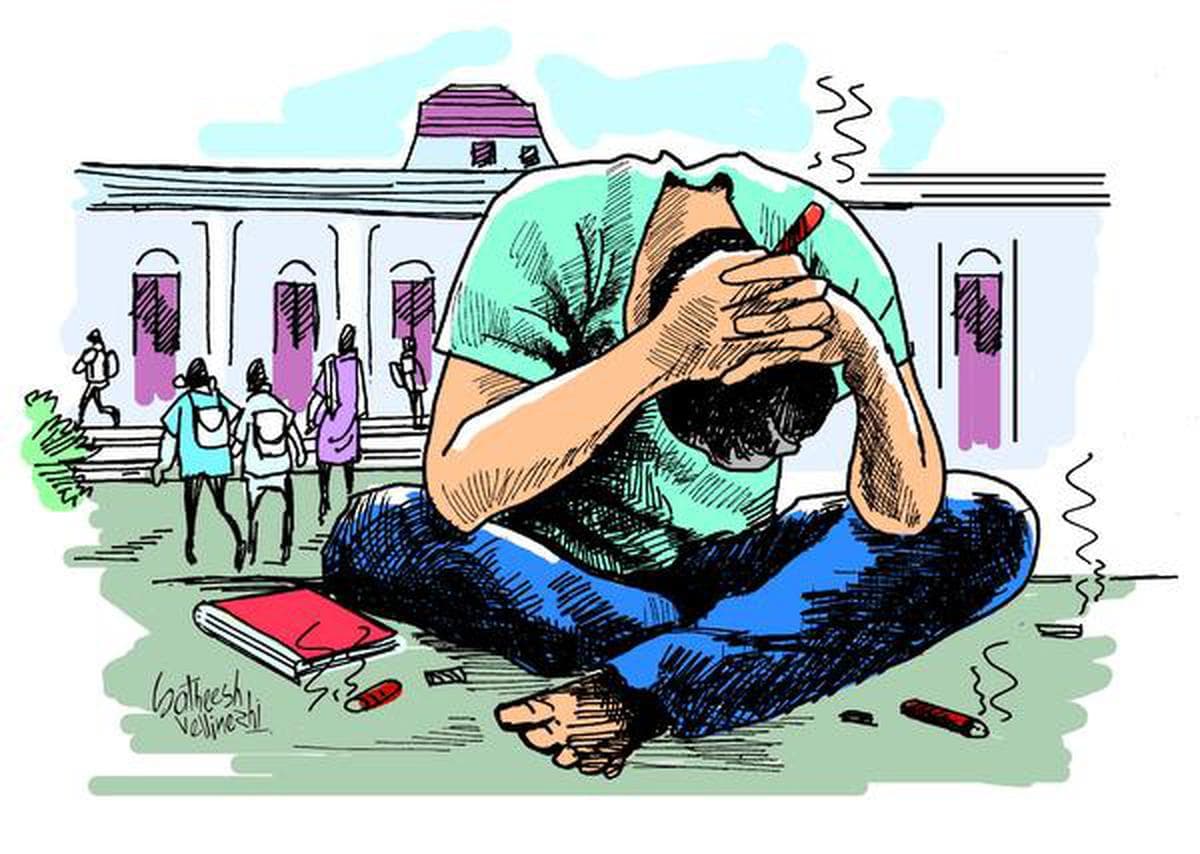
The Rising Concern of Substance Use Among Adolescents
Teen substance use is becoming a major problem, with many starting at a younger age. A study by the National Institute on Drug Abuse (NIDA) and the Substance Abuse and Mental Health Services Administration (SAMHSA.
How to Improve Mental Health: A Guide to Emotional Wellness
Mental health is the foundation of our emotional, psychological, and social well-being. It influences how we think, feel, and interact with the world. Good mental health enables us to cope with stress, maintain relationships, work productively, and make meaningful contributions to our community.

Navigating the Ups and Downs of Relationships
Every relationship, whether married or unmarried, comes with its fair share of highs and lows. It’s not always smooth sailing, but challenges are what strengthen the bond between partners.
Boost Your Mental Immunity: 12 Resilience Skills for Stress-Free Living
In an era where mental health is gaining its rightful importance, understanding mental immunity is crucial. Just as our bodies develop immunity against infections, our minds also need resilience to withstand emotional challenges and stress.
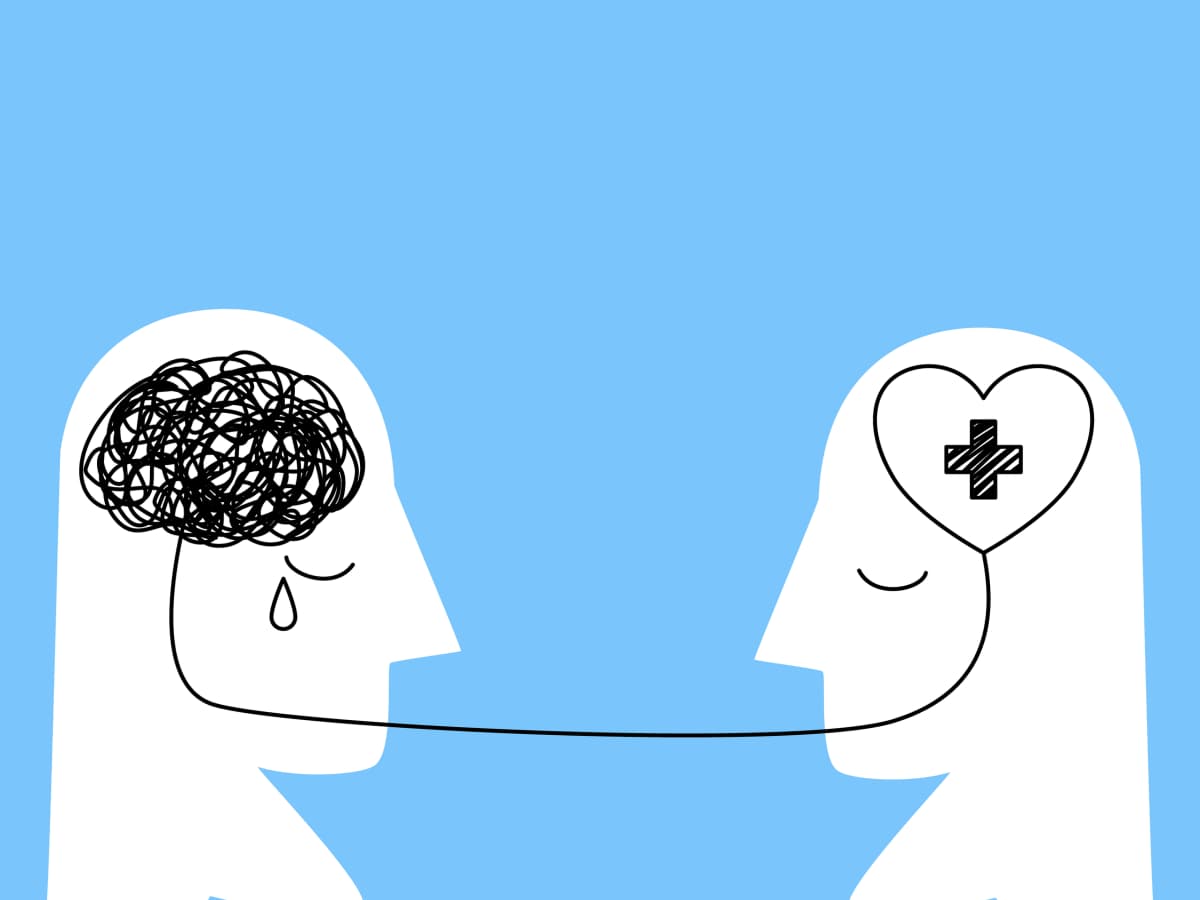
How to Help a Loved One Cope with Mental Illness
Supporting a loved one with a mental illness can be challenging, but your care and understanding can make a significant difference. Mental health struggles affect millions of people, and having a strong support system can help them feel less alone.
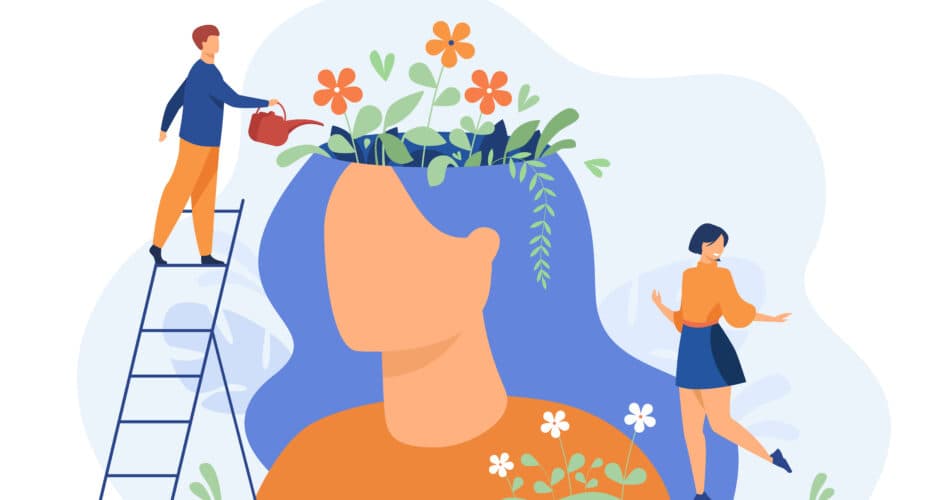
Your Mind Matters: Why Mental Health Should Be Your Top Priority
We hustle through life, balancing work, relationships, and responsibilities, often forgetting one crucial thing—our mental health. We acknowledge physical pain without hesitation, but when it comes to emotional struggles, we brush them off, thinking, “It’s just stress.” But is it?
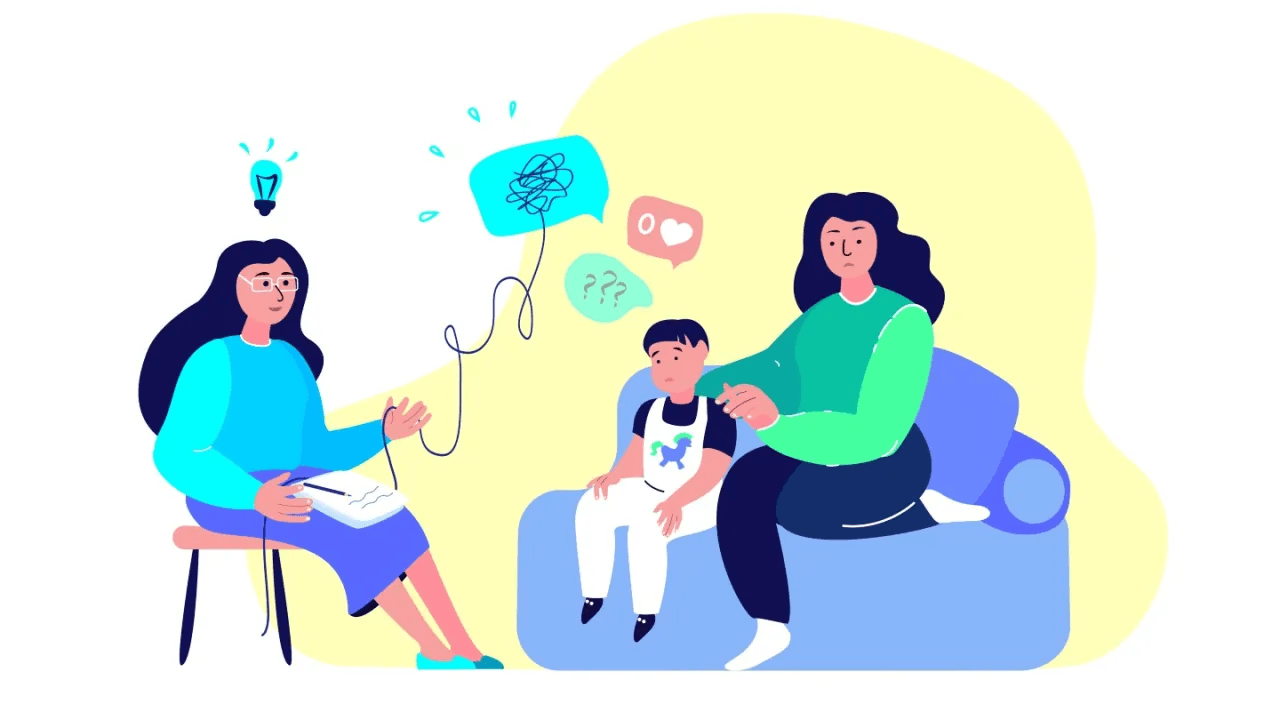
Mental Health in Children: What Every Parent and Teacher Needs to Know
Between the ages of 4 and 17, children undergo significant emotional and psychological changes that shape their future. Understanding and supporting their mental health during these critical years is essential for parents and teachers to help them thrive.
Dopamine and Addiction: Why Quitting Feels So Hard
Have you ever promised yourself to quit, only to fall back into the same pattern? It’s not just about willpower—it’s neurobiology. Learn how dopamine drives addiction, why 'wanting' isn't the same as 'liking,' and how understanding your brain’s reward system is the first step to recovery.
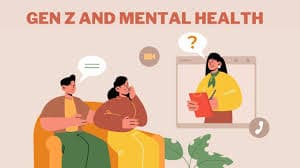
Gen Z Mental Health Slang: What It Really Means From a Psychiatrist’s Perspective
From 'bed rotting' to 'delulu,' Gen Z has created a new vocabulary for mental health. But when is it just slang, and when does it signal a clinical issue? A psychiatrist decodes the psychology behind the trends, distinguishing between healthy coping and red flags.
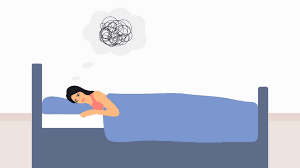
Sleeping 8 Hours but Still Exhausted The Hidden Reasons Explained
Many people assume that sleep duration automatically means good sleep. In reality, you can spend eight hours in bed and still wake up feeling drained. Explore the hidden reasons behind non-restorative sleep, from anxiety to blue light, and learn how to truly rest your mind.

Am I Addicted to Social Media or Just Online A Psychiatrist Explains
Is it just a habit, or is it an addiction? Many people worry about their screen time, but high usage isn't the only red flag. A psychiatrist breaks down the real signs of social media addiction—from loss of control to emotional dependence—and offers practical steps to regain your focus.